Your Skin Isn't Dull. You're Just Not Sleeping.
A client sat in our chair a few weeks ago with skin that looked ten years older than it should. Inflamed, dry patches, reactive to everything we tried. Her routine was the obvious culprit — retinol and acids, back to back, night after night, with no gap for her barrier to recover. But that wasn't actually what had aged her skin. It was what had been happening in her bed at 2am, most nights, for over a month.
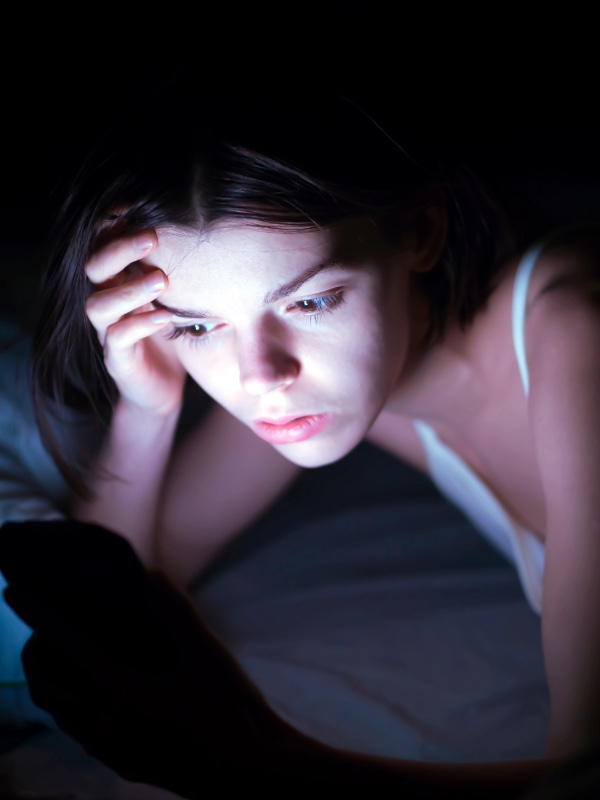
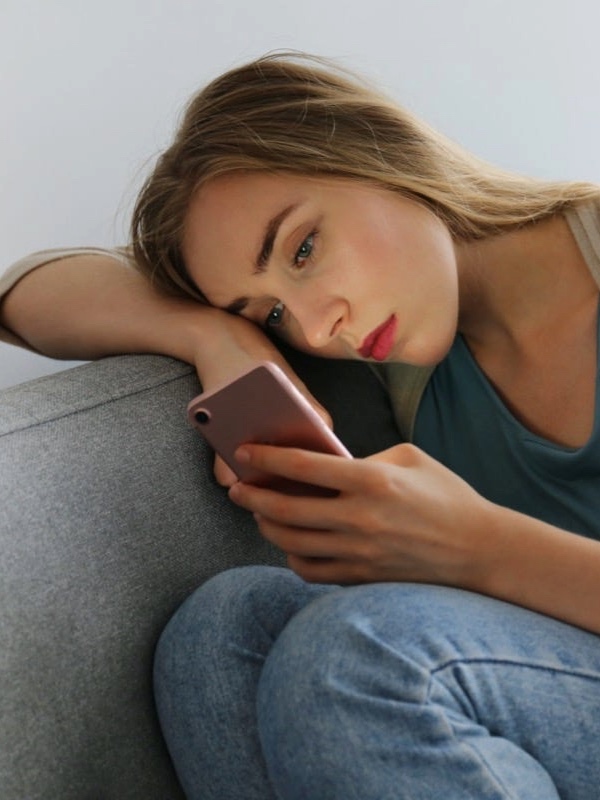
She wasn't insomniac. She was anxious — about her skin, ironically — and that anxiety was keeping her awake scrolling. The lack of sleep made her skin worse. The worse skin sent her back to scrolling. A loop with no obvious exit, and it shows up on your face faster than you'd think. You can read more about Social Media Effect here.
Here's the research behind why.
One bad night could weaken your Skin Barrier
Not three nights. Not a rough month. One. Studies that put women through a single night of total sleep deprivation, then measure their skin directly, find significant drops in hydration and significant increases in transepidermal water loss — the rate your skin leaks moisture through its own surface. Elasticity drops. Barrier recovery slows. All measured, not self-reported.
The most cited study on this (Oyetakin-White et al., Clinical and Experimental Dermatology, 2015) split 60 women by validated sleep criteria — good sleepers on 7–9 hours, poor sleepers on 5 or less — and scored their skin using a validated ageing tool. The poor sleepers showed more visible ageing, worse barrier function, and slower recovery from stress. Objectively worse skin, from sleep alone.
And other people can see It
A Karolinska Institutet study photographed people after a full night's sleep and again after 31 hours awake, then had independent raters — blind to which was which — score the photos. Sleep-deprived faces were rated less healthy and less attractive, every time, with high statistical significance. Humans are good at spotting sleep loss on a face, whether they can name what they're seeing or not.
Why It Happens: Three Hormones, All Working Against You
- Growth hormone peaks during deep sleep and drives collagen production. Less deep sleep, less collagen made overnight.
- Melatonin isn't just a sleep signal — your skin cells make their own, and use it as one of their most effective antioxidants, running repair work while you're out. Less sleep, less melatonin, less repair.
- Cortisol climbs the more sleep-deprived you get, and cortisol actively breaks down collagen and flares inflammatory conditions — acne, eczema, psoriasis all get worse under sleep debt.
A bad week of sleep isn't cosmetic bad luck. It's your skin's repair system running on empty at the exact moment it's supposed to be working hardest.
The Part Keeping People Awake in the First Place
For most of our clients, it's the phone. And this isn't a willpower problem — it's physiology.
A Harvard study found blue light exposure suppressed melatonin roughly twice as long as equally bright green light, and delayed the body's internal clock by twice as much. More relevant still: a study had participants read from a tablet vs. a printed book, four hours before bed, five nights each. Tablet readers had 55% less melatonin that evening, took longer to fall asleep, got less REM sleep, and had their internal clock pushed back over an hour the next day.
Scrolling before bed isn't neutral. It's actively undoing the repair work described above, one night at a time.
What the Evidence Says Actually Helps — and What Doesn't
The strongest evidence by far is for temperature. A meta-analysis of 17 studies found a warm shower or bath, 1–2 hours before bed, cut the time it takes to fall asleep by an average of 36%. Warm water dilates surface blood vessels; stepping out into a cooler room then accelerates the natural temperature drop your body needs to switch off. Simple, unglamorous, and better evidenced than almost anything sold as a "sleep aid."
Screens off an hour before bed does more for your skin than most serums, for the reasons above.
Caffeine cutoff is earlier than you think. A controlled study found 400mg of caffeine — one large specialty coffee — taken even 6 hours before bed cut objectively measured sleep by over an hour. Participants' own sleep diaries didn't pick up the disruption at that distance. You genuinely can't feel what your 4pm coffee is doing to you at midnight.
Worth knowing what doesn't hold up as well: a large 2024 analysis breaking down insomnia treatment found relaxation techniques and breathing exercises alone had no significant effect on objective sleep. What worked was fixed sleep and wake timing. If you're only going to change one thing, make it temperature or light, not a meditation app.
Back to Our Client
Her fix wasn't complicated once we separated the two problems. Skincare stripped back to basics, actives reintroduced slowly with proper gaps between them. Phone out of the bedroom an hour before bed. A warm shower instead of another hour of scrolling.
Within a few weeks her skin had settled — not because of anything new we put on her face, but because she was sleeping through the night again.
If your skin's looking tired and the products aren't the issue, look at what's happening in the two hours before you fall asleep. That's usually where the damage is actually coming from.
If you need help with your skin, book a facial or a consultation with us at Skinportant Clinic. We'll look at what's actually going on with your skin — routine, barrier, and the things outside the bathroom that are quietly working against it.