Is Your Skincare Actually Doing Anything? 5 Questions to Ask Before You Buy Another Product
Walk into any beauty shop, pharmacy or department store and you will find hundreds of skincare products promising brighter, smoother, younger-looking, glowing skin.
There are serums that promise to transform your skin overnight. Creams that claim to "renew" and "rejuvenate". Products with beautiful packaging, impressive-sounding ingredients and price tags ranging from a few pounds to well over £100.
So how do you know what is actually worth your money?
You don't need to be a skincare expert or understand every ingredient on the back of a bottle. But you do need to become a little more curious about what you are putting on your skin.
Before you buy another cream because it looks luxurious, an influencer recommends it, or it promises "age-defying" results, ask yourself these five simple questions.
Would A Professional Actually Use It?
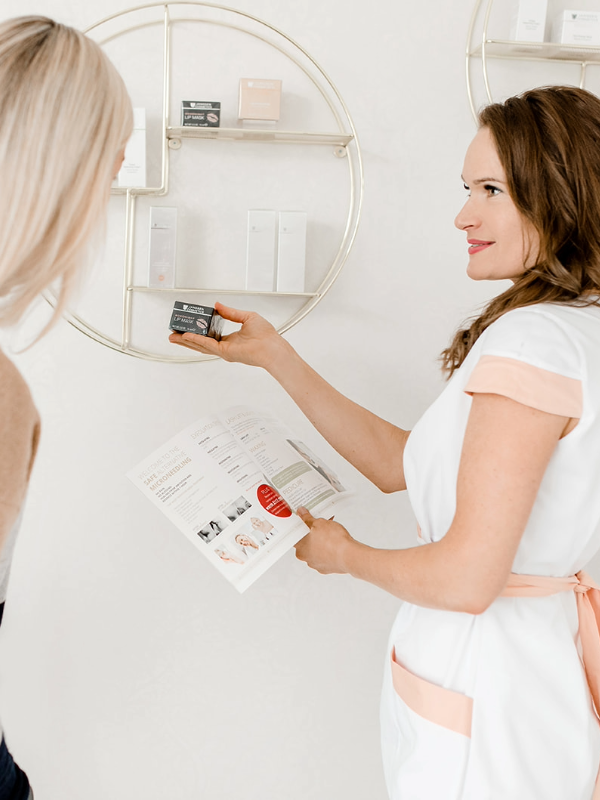
Think about the products used during a professional facial. What is sitting on the treatment trolley? What is your skin therapist actually applying to your skin?
If you have never seen a particular type of product being used by a professional, it doesn't automatically mean it is a bad product. But it is worth asking why.
Skincare designed for the general public often has to be suitable for a very broad range of people — different ages, skin types, and levels of sensitivity. Professional skincare can be much more targeted, with products selected according to the condition of your skin, your concerns and what your skin can tolerate.
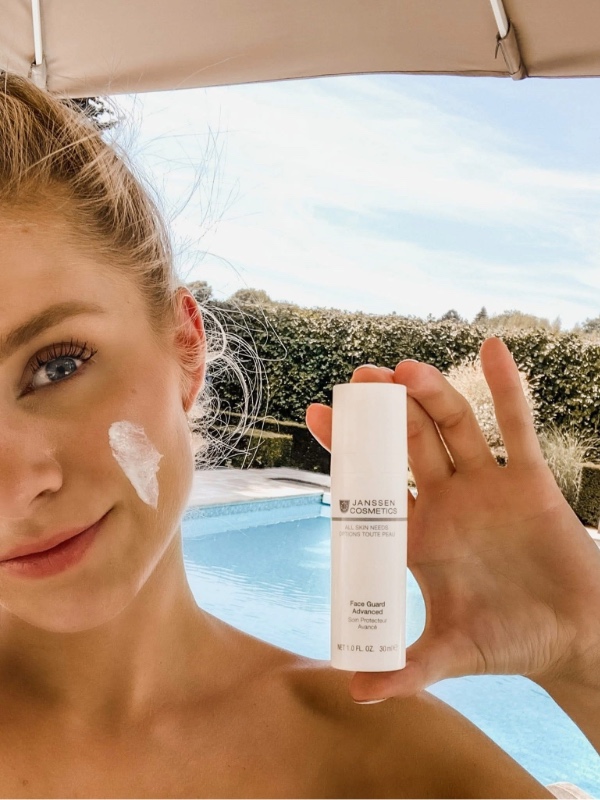
This is also why, at Skinportant, we choose to work exclusively with Janssen Cosmetics. Not because it's fashionable, but because we believe in the formulations, we know the products, and we see how they perform on our clients' skin.
Your skin doesn't know that a product has beautiful packaging. It responds to the formulation.
So next time you are considering a new product, ask yourself: "Would my skin professional actually choose this for my skin?"
Can You Actually See Or Feel A Difference?
You buy a new moisturiser. The packaging is beautiful. It smells lovely. It feels silky when you apply it.
But what happens to your skin? After a week or two, does it feel more hydrated? Softer? Smoother? Does it look fresher when you wake up?
Not every product is designed to produce an immediate visible transformation — pigmentation, fine lines and collagen-related changes can take much longer to improve. But if a product is designed to improve hydration, for example, you should reasonably expect your skin to feel more comfortable fairly quickly.
Take a photograph before you start using a new product. Look again after a few weeks. Don't just ask "do I like this product?" Ask: "Does my skin like this product?"
What Exactly Is It Supposed To Do?
"Renewing." "Radiance boosting." "Youth activating." "Age reversing." These phrases sound wonderful. But what do they actually mean for your skin?
Before buying a product, try finishing this sentence: "I am buying this because I want my skin to…" — be more hydrated, look less dull, improve pigmentation, feel smoother, reduce breakouts, support ageing skin.
If you can't explain what you expect the product to change, you might simply be buying the marketing.
Are You Buying The Product Or The Story Around It?
Skincare is emotional. We don't just buy a cream — we buy the promise of what we hope our skin will look like. The beautiful bottle. The luxurious texture. The celebrity recommendation. Words like "advanced" or "revolutionary."
None of that tells you whether the product is right for your skin. Neither does the price. A £100 cream isn't automatically better than a £30 cream. A natural product isn't automatically better than a scientifically formulated one. A product with 20 ingredients isn't automatically better than one with five. And popularity doesn't make something right for you.
The real question is: "What is this formulation actually going to do for my skin?" Good skincare doesn't need to shout.
Does Every Product In Your Routine Have A Purpose?
More skincare doesn't necessarily mean better skincare. We regularly see clients who have accumulated a bathroom full of products but still don't understand what their skin actually needs — cleanser, toner, two serums, an exfoliator, an oil, a night cream, an eye cream, a mask, and another serum bought last month. And their skin may still feel dry, dull or congested.
Ask yourself: "What is this product doing for my skin that another product isn't?" If you don't know, perhaps you don't need it.
Quality Isn't Just About The Price
Expensive skincare can be excellent. Affordable skincare can also be excellent. What matters is the formulation, the purpose of the product, the quality of the ingredients, and whether it's appropriate for your skin.
Sometimes the best product for you isn't the newest one, or the one everyone's talking about, or the most expensive one. It might be the product that quietly addresses the one thing your skin actually needs.
So next time you're standing in front of a shelf full of skincare, don't ask "which one should I buy?" Ask: "What does my skin actually need? Would a professional use this? What should this product change? Will I be able to tell if it's working?" And perhaps most importantly: "Am I buying something for my skin, or because the marketing has made me want it?"
At Skinportant, we believe skincare should be personal. That's why we don't recommend products simply because they're popular — we look at what your skin actually needs now, and what will help it stay healthy as it changes over time. This is the thinking behind our Skin-Stage Facial System: rather than treating every skin the same way, we consider how skin changes through different stages of life.
During a skin consultation, we look at your current skin condition, your concerns and the products you're already using, then help you understand what your skin actually needs. Sometimes you may need to change several things. Sometimes only one. And sometimes, you may discover you don't need another product at all.
Because good skincare isn't about having more products. It's about having the right ones.
If you need help working out what your skin actually needs, book a facial or a consultation with us at Skinportant Clinic.