Intense Pulsed Light (IPL) is a non-invasive treatment that effectively targets and reduces pigmentation by using light energy absorbed by brown pigments (melanin), breaking down pigmented cells for a more even complexion. High-quality IPL machines, like Lynton Laser, ensure precise and safe treatment, while preventive measures such as daily SPF use are essential to protect against UV-induced pigmentation, especially in the UK, where less direct sunlight can make skin more susceptible. Combining IPL treatment with sun protection helps achieve healthier, radiant skin and boosts self-confidence
Introduction
Understanding IPL and its Impact on Pigmentation
The Role of Brown Pigments in Absorbing Heat
Importance of Quality IPL Machines like Lynton Laser
Preventing Pigmentation: The Role of SPF
Understanding the UK's Predisposition to Pigmentation
Conclusion
Written By: Adrienne Nemeth
Introduction:
As a beauty salon owner, my primary goal is to address various skin concerns that can affect our clients' self-esteem. One common issue that many individuals face is pigmentation. In this blog post, I will delve deeper into the effectiveness of Intense Pulsed Light (IPL) treatment in combating pigmentation, explain the process of how brown pigments absorb heat, highlight the importance of using quality IPL machines like Lynton Laser, and discuss the significance of preventive measures such as SPF to avoid pigmentation. Additionally, I will explore why individuals in the UK are more susceptible to pigmentation and how UV sunlight contributes to the formation of pigmentation marks.
Understanding IPL and its Impact on Pigmentation:
Intense Pulsed Light (IPL) treatment is a non-invasive procedure that utilizes high-intensity light to target and reduce pigmentation irregularities on the skin's surface. The IPL device emits a broad spectrum of light during the treatment, which is selectively absorbed by the brown pigments in the skin. This targeted absorption of light energy by the pigments helps break down pigmented cells, gradually reducing the appearance of pigmentation marks. IPL treatment is effective for various types of pigmentation, including age spots and sunspots. It is a safe and reliable method that can provide noticeable improvements in skin tone and texture.
The Role of Brown Pigments in Absorbing Heat:
Brown pigments, known as melanin, are responsible for the color of our skin. When exposed to IPL, these pigments absorb the light energy, converting it into heat. This process helps break down the pigmented cells, gradually reducing the appearance of pigmentation marks. The heat generated by the absorption of light triggers the body's natural healing response, leading to the elimination of pigmented cells and the promotion of healthier skin. It is important to note that after IPL treatment, the skin may temporarily darken. However, this darkening is a positive sign indicating that the pigmented cells are being targeted and will eventually fade away, revealing a more even complexion.
Importance of Quality IPL Machines like Lynton Laser:
When it comes to treating pigmentation, using high-quality IPL machines is crucial to ensure safe and effective results. Lyndon Laser is one such trusted brand used not only in beauty salons but also by reputable institutions like the NHS. Quality IPL machines like Lynton Laser provide precise and controlled light pulses, allowing for targeted treatment of pigmented areas while minimising the risk of damage to the surrounding healthy skin. By investing in reliable IPL equipment, beauty salons can ensure optimal outcomes for their clients, leading to improved client satisfaction and long-term success.
Preventing Pigmentation: The Role of SPF:
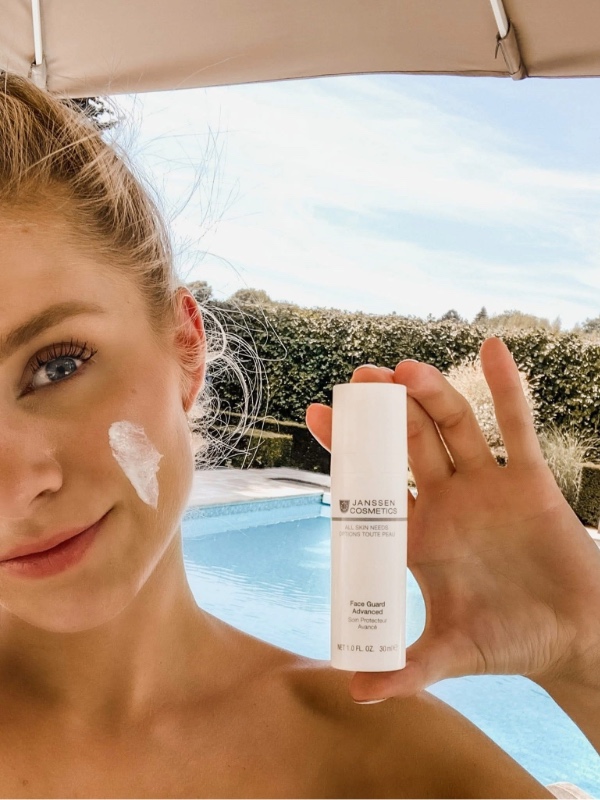
Prevention is always better than cure when it comes to pigmentation. Incorporating sun protection measures into our daily skincare routine is crucial to minimize the risk of pigmentation. One of the most effective preventive measures is the use of a broad-spectrum sunscreen with a high Sun Protection Factor (SPF). Sunscreen acts as a barrier between the skin and harmful UV rays, which are one of the primary causes of pigmentation. Regularly applying SPF not only helps prevent pigmentation but also contributes to maintaining overall skin health. It is important to remember that sunscreen should be used even on cloudy days, as UV rays can penetrate through clouds and cause damage to the skin.
Understanding the UK's Predisposition to Pigmentation:
Living in the UK exposes us to a higher risk of developing pigmentation due to several factors. Firstly, the geographical location of the UK means that it receives less direct sunlight compared to equatorial regions. As a result, the skin is often not accustomed to intense sunlight, making it more vulnerable to pigmentation when exposed. Additionally, the UK's climate tends to be cloudy, leading individuals to underestimate the potential harm caused by UV rays. This lack of awareness and sun protection can further contribute to the development of pigmentation marks. Therefore, it is crucial for individuals in the UK to be proactive in protecting their skin from UV damage by using SPF and seeking shade during peak sunlight hours.
Conclusion:
Pigmentation concerns can significantly impact an individual's self-confidence, but with the advancements in IPL technology, effective treatment options are readily available. Understanding how IPL targets pigmentation, the role of brown pigments in absorbing heat, and the importance of using quality IPL machines like Lynton Laser ensures optimal results. Additionally, incorporating preventive measures such as SPF into our skincare routine can help reduce the risk of pigmentation. By staying informed and proactive, we can achieve healthier, more radiant skin and regain our confidence. Remember, embracing professional IPL treatment and adopting preventive measures are key steps towards achieving a more even and flawless complexion.
Share this article:
What can you do?
READ MORE
5 Questions to Ask Before You Buy Another Product
Beautiful packaging and confident marketing claims don't tell you whether a product will actually change anything about your skin. Most people are buying based on how a product looks, smells or is marketed — not on whether it does what it says. Here are five questions that separate a product worth your money from one that's just well packaged, and why professional advice matters more than the price on the label.
Sleep deprivation doesn't just leave dark circles and a tired-looking face. Research shows it measurably weakens the skin barrier, slows overnight repair, and disrupts the exact hormones responsible for keeping skin firm and clear — often after just one bad night. We saw the full effect of this in a client whose worsening skin had nothing to do with the products she was using, and everything to do with what was happening in her bed at 2am. Here's the research behind why sleep matters as much as anything on your bathroom shelf.
Holiday Skin: What to Do Before, During, and After Your Trip
Every summer, people spend more time choosing a swimsuit than thinking about their skin — and sunscreen packaging is happy to let them believe "water-resistant" means waterproof and once is enough. It isn't, and it's not. Most people apply less than half the sunscreen they need, reapply half as often as they should, and land back home two weeks later with pigmentation that has nothing to do with how much fun they had and everything to do with a bottle applied wrong. The fix isn't a higher SPF number, and it isn't another product either. It's applying enough, reapplying on a schedule instead of a feeling, and knowing when what's left behind after summer needs someone who actually knows your skin — not another six months of hoping it fades.
How Social Media Is Destroying Your Skin (And Making You Pay For It)
Social media has turned skincare into one of the most manipulative industries on the internet. Influencers — most of whom have zero professional training — are paid to make you feel like your skin is a problem, then sell you the solution. Brands like COSRX and Laneige have spent billions engineering viral moments that feel organic but are carefully orchestrated marketing. The result? People are panic-buying products that damage their skin barrier, comparing themselves to filtered and AI-generated faces, and developing real anxiety around normal, healthy skin. The fix isn't another serum. It's getting off the feed and talking to someone who actually knows your skin.