Makeup Brushes, Sponges & Beauty Tools
What Tool Hygiene Means for Your Skin
At Skinportant Clinic, we often talk about skincare ingredients, treatments and lifestyle factors that influence skin health. One topic that receives far less attention is the hygiene of the beauty tools that touch your skin every day.
Makeup brushes, beauty sponges and cosmetic applicators sit directly at the intersection of skin barrier health, microbiology and mechanical irritation. Every time a brush or sponge touches the skin, small amounts of oils, cosmetic residue and microorganisms transfer onto the tool.
When that same tool is returned to a cosmetic product and reused, a contamination cycle can develop:
Skin → Applicator → Product → Skin again
Scientific research shows that this microbial exchange between skin, tools and cosmetics is very real. However, the relationship between contaminated beauty tools and acne is more complex than many social media claims suggest.
Why Beauty Tool Hygiene Matters
Every time a makeup brush, sponge or beauty applicator touches the skin it collects substances from the skin surface.
These typically include:
- sebum (natural oils)
- dead skin cells
- cosmetic residue
- microorganisms naturally present on the skin
When tools are reused repeatedly without proper cleaning, these materials accumulate. If tools remain damp or stored in humid environments, this build-up can create conditions where bacteria may thrive.
Over time, a microbial transfer cycle can develop between the skin, the tool and the cosmetic product.
Research examining cosmetic testers has shown that many products used repeatedly by different people contain measurable bacterial contamination. The organisms identified are usually common skin bacteria such as:
- Staphylococcus
- Corynebacterium
- Micrococcus
- Acinetobacter
- Bacillus
These microbes are normal inhabitants of human skin. Their presence does not automatically cause skin problems, but it confirms that cosmetics can become contaminated through repeated contact.
For individuals with acne-prone or sensitive skin, repeated exposure to residue, friction and microorganisms may contribute to irritation, clogged pores or inflammation.
Retail Cosmetic Testers: Where Contamination Is Most Visible
Some of the clearest contamination evidence comes from studies examining shared cosmetic testers in retail environments.
These are the products available for public testing in stores such as Sephora, Boots, Superdrug and department store beauty halls.
Microbiological analysis of in-use powder testers has found:
- 100% of tested products contained bacteria
- Nearly 20% contained fungi or yeast
- bacterial levels reaching up to 960,000 colony forming units per gram
These levels are significantly higher than the microbiological limits typically used during cosmetic manufacturing.
Retail testers are particularly vulnerable because they are repeatedly touched by many people using:
- makeup brushes
- powder puffs
- fingers
- exposed applicators
Testers are also often left open and exposed to air and constant handling throughout the day, allowing contamination to accumulate over time.
For this reason, dermatology hygiene guidance strongly discourages applying retail cosmetic testers directly to the face, especially around sensitive areas such as the eyes.
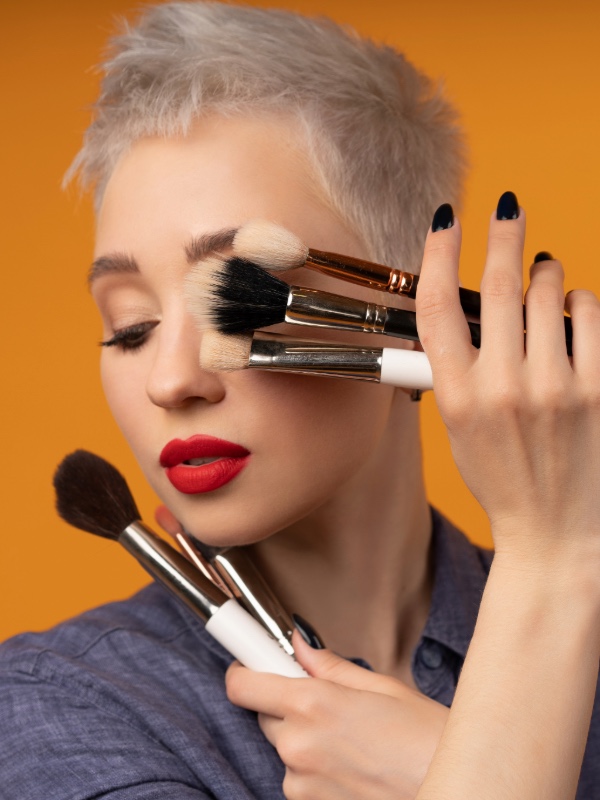
Makeup Brushes: Cleaning and Replacement
Dermatology guidance generally recommends washing makeup brushes every 7–10 days.
Brushes used with liquid or cream products, such as foundation or concealer, may require more frequent cleaning because oils and cosmetic residues accumulate quickly within the bristles.
If brushes are not cleaned regularly, this build-up can transfer back onto the skin during application.
Brushes should be replaced when they begin to show visible wear, including:
- frayed or bent bristles
- shedding hairs
- persistent residue or odour
- irritation appearing after use
A well-maintained, high-quality brush can often last several years before replacement becomes necessary.
Beauty Sponges: Why They Carry the Most Microbes
Among beauty tools, makeup sponges consistently show the highest levels of microbial contamination.
Because they are porous and absorbent, they trap water, skin oils and cosmetic residue. This creates ideal conditions for bacterial growth.
A UK microbiology study examining used cosmetics found:
- 79–90% of tested products contained bacteria
- makeup sponges carried the highest microbial loads
- some samples exceeded 1 million colony forming units per millilitre
Researchers also observed behaviours that increased contamination risk:
- 93% of beauty sponges had never been cleaned
- 64% had been dropped on the floor and reused
For this reason, most manufacturers recommend replacing beauty sponges around every three months and ensuring they dry completely between uses.
One rule for professional treatments
No professional skincare clinic should use reusable sponges to cleanse your face.
Sponges trap moisture and bacteria and cannot be reliably sanitised between clients. Using them repeatedly creates a clear cross-contamination risk.
If a salon cleanses your face with a sponge that is not single-use and disposed of immediately, do not go back.
Powder Products and Cushion Compacts
Not all cosmetic formats behave the same microbiologically.
Dry powders
Pressed and loose powders contain very little water. Because of this they are less supportive of bacterial growth, although microbes can still accumulate on the surface through repeated contact with brushes or sponges.
Cushion compacts
Cushion foundations behave differently. They contain a moist sponge reservoir inside a sealed compact, creating a warm and humid environment.
Studies comparing cosmetic containers have found:
- 20% of cushion compacts contained Cutibacterium acnes
- only 2.8% of other cosmetic containers showed similar contamination
Moisture, warmth and repeated sponge contact make cushion compacts a higher-risk environment for microbial survival.
Do Contaminated Beauty Tools Cause Acne?
This is where the science becomes more nuanced.
While contamination of makeup tools and products is well documented, direct scientific evidence that contaminated cosmetics cause acne breakouts is limited.
One study examining cushion compacts found increased bacterial contamination but no clear relationship between contamination and acne presence.
This is because acne is influenced by multiple biological factors, including:
- sebum production
- hormones
- skin barrier function
- inflammation
- microbiome balance
External contamination may contribute in some situations, but it is unlikely to be the primary cause of acne for most people.
Habits That Increase Contamination Risk
Certain behaviours significantly increase microbial growth in cosmetics and tools.
Moisture
Damp sponges and enclosed wet compacts encourage bacterial survival.
Sharing products
Shared cosmetics dramatically increase contamination.
Poor cleaning habits
Unwashed brushes and sponges allow microbes to accumulate.
Humid storage
Bathrooms and warm environments can accelerate microbial growth.
A Simple Routine for Healthier Skin
Maintaining grooming tool hygiene does not require complicated routines.
A simple approach may include:
After each use
- remove visible product residue
- allow tools to dry properly
- wipe metal tools when appropriate
Weekly
Monthly
- check tools for wear or damage
- deep clean tools if needed
Every three months
- replace makeup sponges
- replace eyelash curler pads
The Skinportant Clinic Perspective
The science does not support the idea that contaminated makeup products alone cause acne. However, research clearly shows that beauty tools and cosmetics can accumulate bacteria through repeated contact.
Poor hygiene habits create conditions where residue build-up, friction and microbial transfer repeatedly stress the skin.
The solution is simple:
Clean your tools regularly, allow them to dry properly, avoid sharing cosmetics and replace products when necessary.
Small habits can make a meaningful difference to long-term skin health.
Healthy skin is influenced by more than just skincare products. Professional Skinportant Clinic facials can also help support long-term skin health by improving circulation, hydration and barrier repair.