Why Proper Cleansing Often Matters More Than Expensive Creams
Cleansing is one of the most underestimated steps in skincare. Many people focus heavily on moisturisers, serums and anti-ageing creams, assuming that higher price means better results.
In reality, the condition of the skin barrier and the quality of daily cleansing often determine whether skincare products will work well at all.
Every day the skin collects a mixture of sebum (natural oils), sweat, sunscreen, makeup residue, microscopic pollution particles and environmental irritants. Proper cleansing removes this build-up while preserving the delicate structure of the outer skin barrier.
When cleansing is too harsh or poorly suited to the skin, the opposite can happen. The barrier becomes disrupted, moisture is lost more easily, and irritation increases. In these situations even the most expensive cream may struggle to deliver meaningful benefits.
For many people, improving cleansing habits can have a greater impact on skin comfort and stability than upgrading to luxury skincare.
Why Cleansing Matters for Skin Health
Cleansing sits at the intersection of several key biological systems that influence skin health.
These include:
- the skin barrier
- the surface microbiome
- the balance of natural oils
- the skin’s inflammatory response
When cleansing removes daily residues without damaging the barrier, the skin remains balanced and better able to tolerate active ingredients and moisturisers.
However, when cleansing is too aggressive, the outer skin layer can become compromised. This may lead to increased dryness, redness, stinging and irritation.
Once the barrier is weakened, the skin becomes more reactive to skincare products that would normally be well tolerated.
The Skin Barrier: The Foundation of Healthy Skin
The outer layer of the skin, known as the stratum corneum, acts as a protective barrier.
This barrier performs two essential functions:
- keeping moisture inside the skin
- preventing irritants, allergens and pollutants from entering
The barrier relies on a delicate structure made up of skin cells, lipids and natural moisturising factors.
Research shows that harsh cleansers and alkaline soaps can disrupt this structure by removing protective lipids and increasing transepidermal water loss (TEWL), meaning the skin loses moisture more quickly.
When this happens the skin may begin to feel:
- tight
- dry
- irritated
- more sensitive to products
In this state, even high-quality moisturisers may struggle to compensate for the damage caused during cleansing.
When Cleansing Becomes Too Harsh
Several common habits can unintentionally damage the skin barrier.
These include:
- washing the face too frequently
- using very hot water
- using strong soaps or harsh surfactants
- scrubbing the skin with brushes or exfoliating tools
- rubbing the skin aggressively with towels
- using baby wipes
- using cotton pads
These behaviours can increase irritation and inflammation while weakening the protective function of the skin barrier.
In people with sensitive skin, rosacea, eczema or acne, these effects can be particularly noticeable.
Cleansing and Acne
Acne is often misunderstood as a problem caused by poor hygiene. In reality, acne develops through a combination of factors including hormones, inflammation, follicular blockage and bacterial activity.
Because of this, excessive cleansing does not improve acne and may actually worsen it.
Dermatology guidance generally recommends:
- washing the face no more than twice daily
- using a mild, non-alkaline cleanser
- avoiding aggressive scrubbing
Over-cleansing can irritate the skin and make treatments such as benzoyl peroxide or retinoids harder to tolerate.
Gentle cleansing helps maintain the skin barrier so that effective acne treatments can work more comfortably.
If you are suffering from acne we are here to help. We have many year of experience of acne treatments in our skin clinic in Southsea, Portsmouth
Cleansing and Sensitive Skin
People with sensitive skin or rosacea often have a more fragile skin barrier.
Perfumed soaps, harsh cleansers and aggressive rubbing can easily trigger redness and irritation. For this reason dermatology guidance commonly recommends soap-free cleansers and gentle washing techniques.
When cleansing is calm and non-irritating, the skin is less likely to flare and skincare products are better tolerated.
Cleansing and Eczema
Eczema is closely linked to an impaired skin barrier. Because of this, washing habits can significantly influence symptoms.
Medical guidance often recommends avoiding traditional soaps and instead using soap substitutes or emollient cleansers.
Interestingly, clinical research has shown that expensive bath additives often provide little additional benefit compared with simple barrier-supportive routines.
This reinforces an important dermatological principle: optimising basic skincare often matters more than adding costly extras.
Cleansing, Ageing and Dry Skin
As the skin ages, the barrier naturally becomes thinner and more delicate.
Harsh cleansing can accelerate dryness, irritation and discomfort, which may make fine lines and dullness more noticeable.
Gentle cleansing helps preserve hydration and allows moisturisers and active ingredients to work effectively.
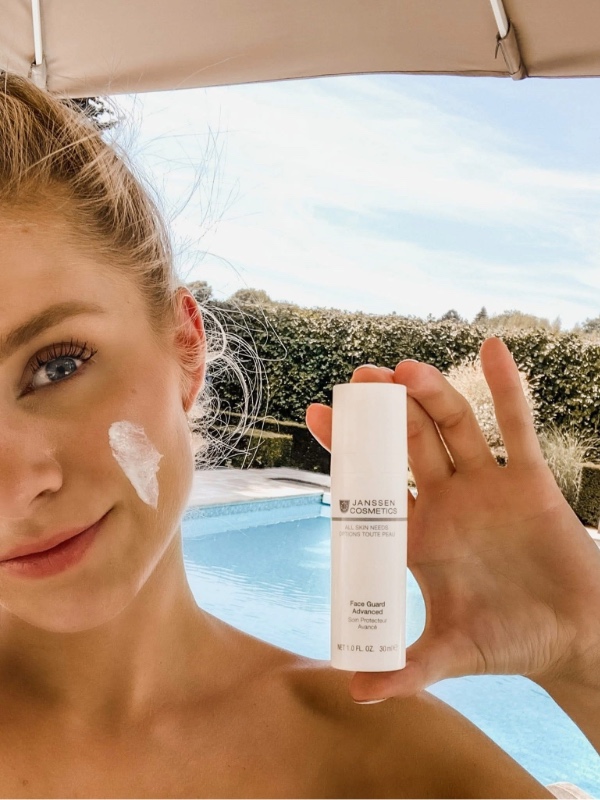
When it comes to preventing visible skin ageing, research consistently shows that daily sunscreen provides far stronger protection than luxury anti-ageing creams alone.
That's why we use the highest quality SPF on the market in every treatments such as our anti-ageing Pro-Youth Treatment.
What Proper Cleansing Looks Like
A healthy cleansing routine does not need to be complicated.
The goal is simply to remove daily residue while protecting the skin barrier.
A typical routine may include:
Morning
- gentle cleanser
- toner
- daily hybrid (physical and chemical)
- moisturiser for your skin type
Evening
- cleanse to remove sunscreen, makeup and pollution
- toner to rebalance your skin's pH
- moisturise with your night cream
The most important factors are gentleness, consistency and choosing products suited to the skin type.
There is only one SECRET:
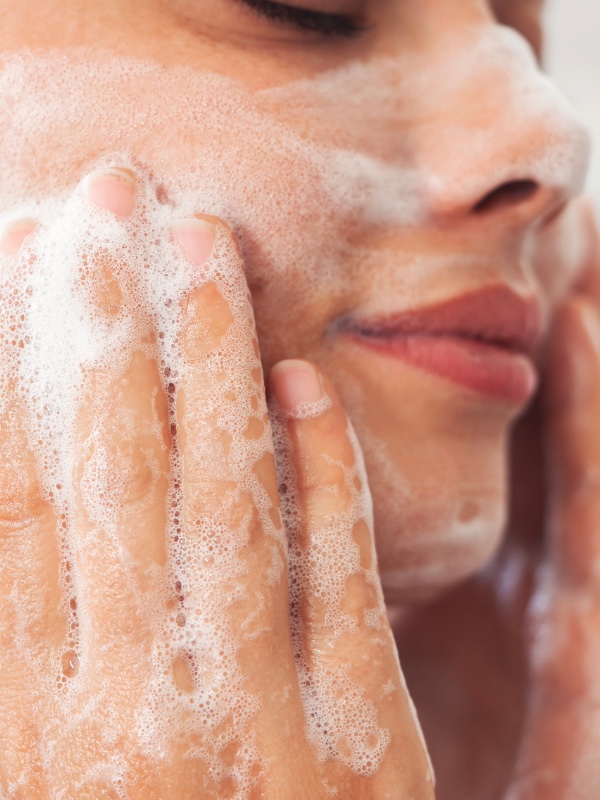
Rubbing the skin while cleansing will damage your barrier layer. Instead genlte massage your cleanser with circular movements for about a minute or two. Let your cleanser do the work and not your fingers.
The Skinportant Clinic Perspective
At Skinportant Clinic we frequently see clients investing heavily in expensive creams while overlooking the importance of cleansing.
In many cases, improving cleansing habits alone can significantly reduce irritation, dryness and sensitivity.
Healthy skin usually depends on three simple foundations:
- gentle cleansing
- barrier-supporting moisturisers
- daily sun protection
When these basics are done correctly, the skin becomes calmer, stronger and more responsive to professional treatments.
Effective skincare is rarely about the most expensive product on the shelf. Often, the greatest improvements begin with the simplest step — cleansing the skin properly.