Hyperpigmentation in Winter

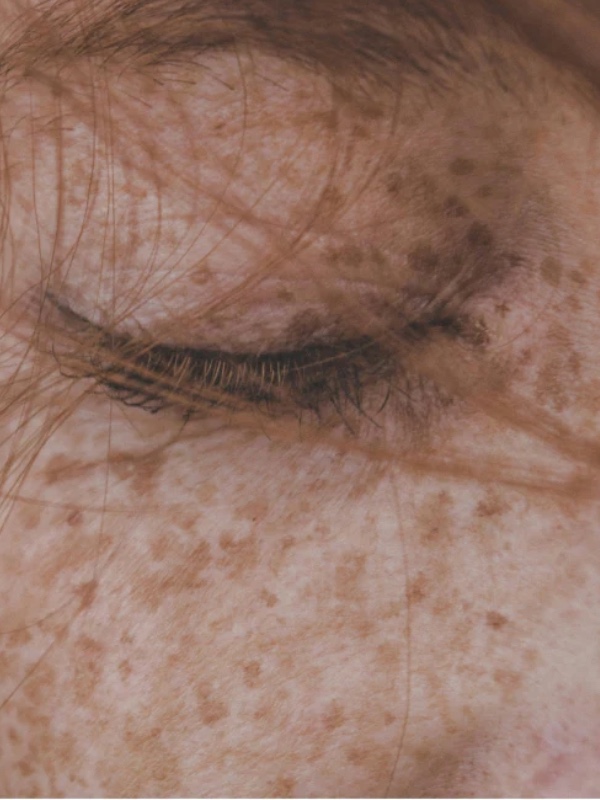
Many clients are surprised when their pigmentation suddenly appears darker during the winter months. Even though we associate pigmentation with summer sun, it is often far more noticeable once the weather turns colder. At Skinportant Clinic, we see this every year, and there are several reasons why it happens. Understanding these reasons can also help you manage and reduce pigmentation more effectively.

  • Your summer tan disappears
  • Winter causes dryness and barrier disruption
  • Dry skin makes pigment stand out
  • Slower cell turnover in cold weather
  • Less consistent sunscreen use
  • Underlying pigment becomes more visible
  • How to manage pigmentation during winter
Written By: Adrienne Nemeth
December 4, 2025

Your summer tan disappears

During the summer, your skin naturally produces more melanin to protect itself from UV light. This often creates a subtle, even glow that can disguise uneven pigment. When winter arrives and UV levels drop, your overall melanin production slows down. As your tan fades, any existing pigmentation becomes more visible against a lighter complexion. The pigment has not suddenly darkened; it simply contrasts more sharply with the surrounding skin.

Winter causes dryness and barrier disruption

Cold air, central heating and low humidity all contribute to a weaker skin barrier. When your skin is dry or dehydrated, it loses its natural ability to reflect light evenly. This makes dark patches appear deeper and more defined. Dry skin can also feel rougher, which emphasises texture and uneven tone.

Cell turnover slows down

In colder months, the skin’s natural exfoliation process becomes slower. Dead skin cells build up on the surface, making pigmentation look dull and stubborn. Without regular, gentle exfoliation and appropriate skincare, pigmented areas remain visible for longer.

Indoor light and year-round UVA

Although UVB light decreases significantly in winter, UVA levels remain consistent throughout the year. UVA rays penetrate through clouds and windows and are one of the main triggers for pigmentation. Many people reduce or stop using SPF during the winter, which allows ongoing UVA exposure to deepen existing pigment. Indoor lighting, particularly screens, may also play a role in worsening uneven skin tone.

Why pigmentation appears more noticeable

When all these factors combine, pigmentation naturally stands out more.
Key contributors include:

  • Lighter winter skin revealing darker patches
  • Dryness and reduced reflection of light
  • Slower cell turnover making pigment seem persistent
  • Ongoing UVA exposure without adequate protection

What you can do

Supporting the skin through winter can make a significant difference. Daily SPF, regular hydration, gentle exfoliation and professional treatments help keep pigment under control. At Skinportant Clinic, we can assess your skin and recommend a tailored plan to target pigmentation safely throughout the colder months.

We can effectively remove hyperpigmentation, age spots, sun spots using medical-grade IPL. Find out more.e https://www.skinportant.co.uk/pigmentation-removal

Share this article:

READ MORE

Hyperpigmentation in Winter

Many clients are surprised when their pigmentation suddenly appears darker during the winter months. Even though we associate pigmentation with summer sun, it is often far more noticeable once the weather turns colder. At Skinportant Clinic, we see this every year, and there are several reasons why it happens. Understanding these reasons can also help you manage and reduce pigmentation more effectively.

Read More

Does Wearing Foundation Every Day Damage Your Skin Barrier?

Wearing foundation every day can put stress on your skin — not just because of the silicones and chemicals in the product, but because foundation creates a film that stops the skin from breathing freely. The biggest issue, however, is the daily removal. Taking foundation off every single night requires stronger cleansers, more friction and repeated stripping of the skin’s natural oils, which can weaken the skin barrier over time.

Read More

Skin Purging: What It Really Means & Why It’s Nothing to Fear

Skin purging is a normal, temporary reaction that can happen when active ingredients or advanced treatments speed up cell turnover, bringing underlying congestion to the surface. It typically lasts 1-3 weeks and often appears in areas where you already break out.

Read More

The truth about K-Beauty

The rise of K-beauty has led many to believe that all Korean skincare is superior — but with over 4,500 cosmetic manufacturers in South Korea, quality varies greatly. At Skinportant Clinic, we’ve seen clients with damaged barrier layers from 10-step routines and constant product layering. While some Korean brands produce excellent products, assuming all K-skincare is as effective or safe as regulated European formulas is misleading. True skin health comes from evidence-based formulations, ingredient integrity, and simplicity — not the country on the label.

Read More