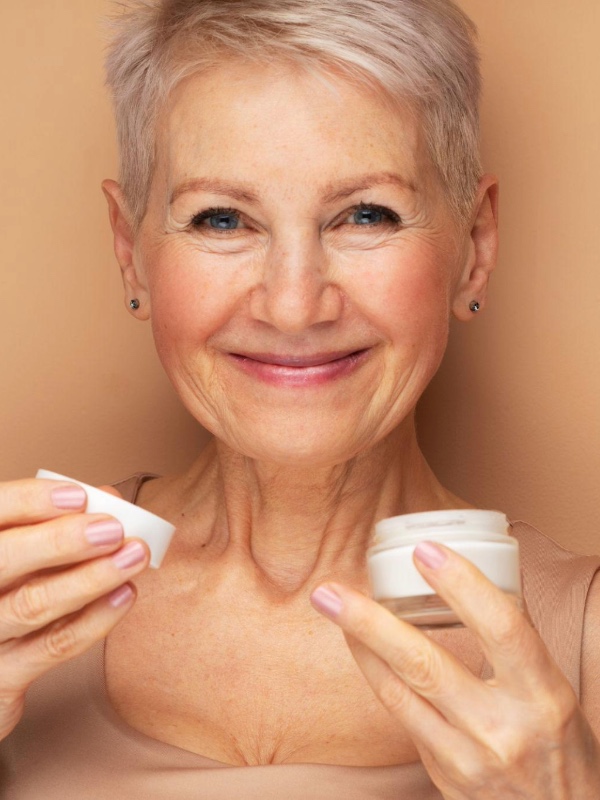
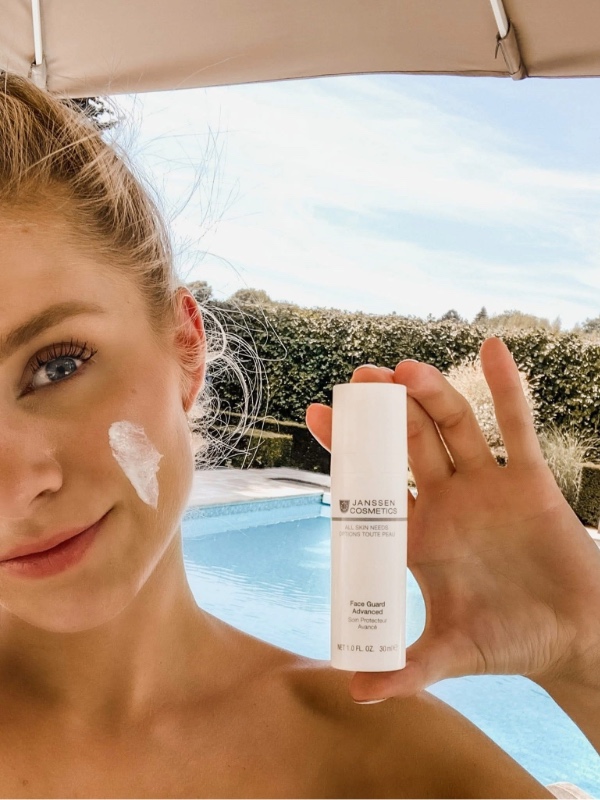
One of the most common statements we hear in clinic is, “I’ve used the same products for years.”
Consistency is valuable in skincare. But using the same routine for decades rarely supports optimal skin function.
Skin is a dynamic organ. It adapts continuously in response to hormones, age, environment, stress and overall health. A routine that once supported balance can gradually become misaligned as the skin’s internal processes shift.
Why skin type ss not permanent
Skin type is often described as fixed — oily, dry, combination or sensitive. In reality, these characteristics are fluid.
Oil production typically declines with age. Collagen levels decrease. Cell turnover slows. The skin barrier becomes thinner and less tolerant of aggressive ingredients. Hormonal transitions, particularly during perimenopause and menopause, significantly influence hydration, elasticity and sensitivity.
These are structural and biochemical changes — not cosmetic trends.
When formulation strength, texture and ingredient choice remain unchanged despite these shifts, imbalance can develop gradually. Dryness, dullness, congestion or irritation are often signs that the routine no longer matches the skin’s current behaviour.
The subtle signs your routine is outdated
Skin rarely changes overnight. Instead, small signals appear over time.
Cleansers may leave the skin feeling tight. Active ingredients may cause increased redness. Pigmentation may linger longer. Breakouts may behave differently than they once did. Your skin looks dull and lifeless.
These signs are not necessarily indicators that “nothing works.” More often, they reflect a mismatch between product selection and present skin function.
Routine stagnation is common — particularly when a product once delivered good results. But past suitability does not guarantee present compatibility.
The influence of marketing and online recommendations
Modern skincare purchasing is heavily influenced by digital platforms. Trends, influencer endorsements and online reviews create the impression that a product can work universally.
However, marketing does not assess skin thickness, barrier strength, vascular response or hormonal stage.
A product that suits one person’s resilient, oil-rich skin may overwhelm another’s delicate, dehydrated barrier. Without professional assessment, routines are often built on appeal rather than physiology.
This frequently results in unnecessary layering, incompatible ingredient combinations or overuse of active formulations.
The outcome is not always immediate damage — but it can slow progress and compromise barrier stability over time.
Why professional guidance changes outcomes?
Buying skincare based on marketing is like purchasing glasses without an eye test.
You may guess your prescription. You may choose frames you like. But without proper assessment, the lenses will not accurately support your vision.
Skin requires the same precision.
A skincare professional evaluates hydration levels, elasticity, sensitivity patterns and barrier integrity before recommending formulation and strength. Product selection becomes strategic rather than reactive.
The objective is not to sell more — it is to align every step of the routine with the skin’s present needs.
This precision reduces unnecessary experimentation and protects long-term skin function.
Ageing skin requires strategic adjustment
In early adulthood, oil production and collagen levels are naturally higher. Recovery is faster and the barrier is generally more resilient.
With age, collagen decline becomes more pronounced. Oil levels decrease, particularly after menopause. The skin may appear thinner and become more prone to dehydration and sensitivity.
These physiological shifts require thoughtful adjustments in hydration support, lipid replenishment and active ingredient strength.
Maintaining previous formulations without adaptation can limit progress and, in some cases, increase irritation.
Evolution in skincare is not optional — it is biological.
Structured adaptation over habit
Skincare should not remain static out of loyalty or convenience.
Periodic review ensures that cleanser strength, hydration strategy and treatment intensity remain appropriate. Sometimes this means simplifying. Sometimes it means strengthening support.
What matters is alignment.
Healthy skin is sustained through informed adjustment — not through repeating the same steps indefinitely.
Supporting Long-Term Skin Health
Skincare is not about chasing trends or collecting products. It is about preserving barrier integrity, encouraging collagen support and maintaining balance as the skin evolves.
Using the same routine for decades may feel consistent, but without reassessment it can quietly limit results.
Your skin will continue to change. Hormones will shift. Environmental exposure will fluctuate.
Your skincare should respond accordingly.
With professional oversight and structured review, your routine becomes a purposeful system — not a collection of assumptions.