Holidays should leave you feeling refreshed—not returning with dry, stressed, or sun-damaged skin. But climate changes, cabin air, new environments, and indulgences can take a toll—especially on skin. So what is the key to radiant, resilient skin? A smart, informed routine by your aesthetician that begins before your suitcase is packed and continues after you get home. Here’s your complete guide to holiday-ready skin that glows before, during, and after your trip.
Prepare your skinbBefore you travel
Skincare during your holiday
Repair after your holiday
Skinportant Skin Clinic Tips
Written By: Adrienne Nemeth
Before You Travel: Strengthen Your Skin Barrier (Start 2–3 Weeks Ahead)
Your skin needs support well before sun, wind, or plane air has a chance to disrupt it. This prep phase is all about hydration, protection, and resilience.
Upgrade Your Moisturiser- Switch to a barrier-supportive formula with ceramides, glycerin, or squalane. These lock in moisture and keep skin comfortable across climates.
Gently Exfoliate (1–2x per week)- Use a mild lactic acid or PHA toner or serum to remove dead skin cells and brighten tone—without triggering sensitivity.
Introduce a Hydrating Toner- After cleansing, use a gentle alcohol-free toner to prep skin and rebalance pH. This also boosts the absorption of serums and moisturiser.
Apply moisturiser with Vitamin C in the Morning- Use moisturaser with Vitamin C such as Vitafore C Cream which helps even tone, fight free radicals, and protect against pigmentation.
Optional: Book a Pre-Holiday Facial- Treat yourself to a hydrating facial such as our Deep Hydration Facial Treatment at least 5-7 days before departure.
During Your Holiday: Protect, Hydrate & Simplify
Keep your skincare routine simple and focused while you’re away. Stick with tried-and-true products and stay committed to protection and hydration.
Gentle Cleanse & Tone-Use a non-foaming cleanser followed by your regular hydrating toner to cleanse without stripping. Avoid experimenting with new actives—especially in intense climates- to reduce the risk of new allergy.
Choose Moisturiser Based on Climate- In warm/humid places: opt for a light lotion or gel. In cold/dry areas: use aricher cream or balm to prevent water loss.
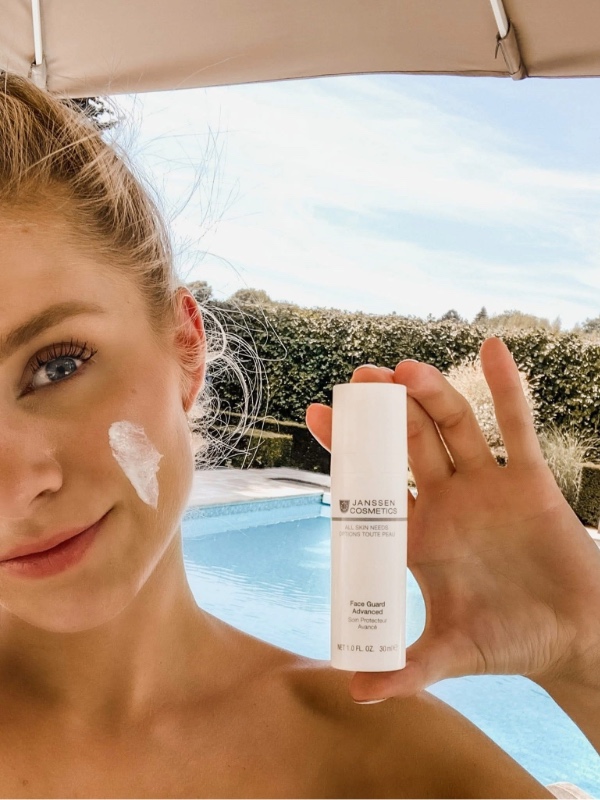
SPF Every Morning (And Reapply)- Apply abroad-spectrum SPF 30 or higher every morning—even on cloudy days. Reapply every 2 hours. Don’t forget your ears, lips, neck, chest, and hands.
Hydrating Mist + Toner Combo- Keep your hydrating toner in a small spray bottle for on-the-go refreshment. Use it after sun exposure, flights, or long walks. Follow with moisturiser to lock it in.
After Your Trip: Repair, Rehydrate & Rebalance
Whether you’ve been in the sun, salt air, or mountain wind, your skin may return feeling dehydrated, uneven, or slightly reactive. Post-holiday care is about gentle restoration.
Cleanse & Tone as Usual- Stick to your pH balancing toner to soothe and rebalance your skin. This helps calm sensitivity and prepare skin for deeper hydration.
Apply Moisture-Rich Products- Look for moisturisers with ceramides, peptides, or squalane such as the Super Hydrating Cream If your skin feels tight or flaky, use a hyaluronic acid serumunderneath for extra hydration.
Resume Exfoliation After 2–3 Days- Once your skin has recovered, reintroduce a gentle exfoliating toner or enzyme product to smooth texture and renew your glow.
Optional: Book a Post-Holiday Facial- Let your skin reset with a hydrating or detoxifying facial. At Skinportant, we offer post-travel treatments that calm, clear, and rehydrate without irritation.
Skinportant Clinic Tip:
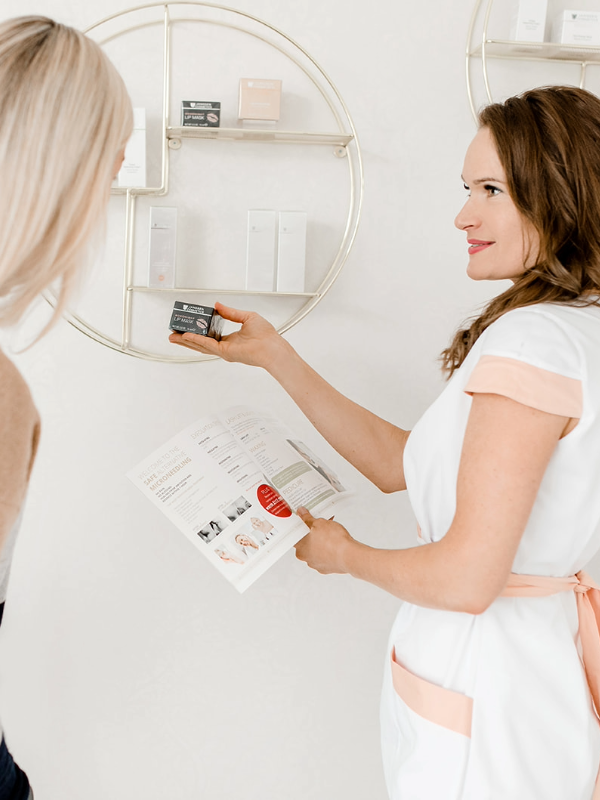
We have a great selection of travel size products from Janssen Cosmetics.
If you developed sunspots, hyperpigmentation or any other skin disorder during your holiday, please don't hesitate to contact us immediately to have it checked out. Better be safe than sorry..
Share this article:
What can you do?
READ MORE
5 Questions to Ask Before You Buy Another Product
Beautiful packaging and confident marketing claims don't tell you whether a product will actually change anything about your skin. Most people are buying based on how a product looks, smells or is marketed — not on whether it does what it says. Here are five questions that separate a product worth your money from one that's just well packaged, and why professional advice matters more than the price on the label.
Sleep deprivation doesn't just leave dark circles and a tired-looking face. Research shows it measurably weakens the skin barrier, slows overnight repair, and disrupts the exact hormones responsible for keeping skin firm and clear — often after just one bad night. We saw the full effect of this in a client whose worsening skin had nothing to do with the products she was using, and everything to do with what was happening in her bed at 2am. Here's the research behind why sleep matters as much as anything on your bathroom shelf.
Holiday Skin: What to Do Before, During, and After Your Trip
Every summer, people spend more time choosing a swimsuit than thinking about their skin — and sunscreen packaging is happy to let them believe "water-resistant" means waterproof and once is enough. It isn't, and it's not. Most people apply less than half the sunscreen they need, reapply half as often as they should, and land back home two weeks later with pigmentation that has nothing to do with how much fun they had and everything to do with a bottle applied wrong. The fix isn't a higher SPF number, and it isn't another product either. It's applying enough, reapplying on a schedule instead of a feeling, and knowing when what's left behind after summer needs someone who actually knows your skin — not another six months of hoping it fades.
How Social Media Is Destroying Your Skin (And Making You Pay For It)
Social media has turned skincare into one of the most manipulative industries on the internet. Influencers — most of whom have zero professional training — are paid to make you feel like your skin is a problem, then sell you the solution. Brands like COSRX and Laneige have spent billions engineering viral moments that feel organic but are carefully orchestrated marketing. The result? People are panic-buying products that damage their skin barrier, comparing themselves to filtered and AI-generated faces, and developing real anxiety around normal, healthy skin. The fix isn't another serum. It's getting off the feed and talking to someone who actually knows your skin.