Fall Skincare Routine: What to Do and What Not to Do
As autumn arrives, the cooler air and lower humidity can leave your skin feeling dry and in need of extra care. Adjusting your skincare routine to suit the season is crucial for maintaining a healthy, glowing complexion. The crisp autumn weather can strip your skin of moisture, so it’s important to make changes that will help protect and nourish it.
Here’s a guide on what you should do to adapt your skincare routine for autumn—and what to avoid.
What to Do for Your Autumn Skincare Routine
- Switch to a Hydrating Cleanser The dry, cool air of autumn can leave your skin feeling tight and dehydrated. Switching to a gentle, hydrating cleanser will ensure your skin stays soft and balanced without stripping away essential oils. Look for ingredients like retinol or hyaluronic acid to help retain moisture while cleansing.
- Add a Richer Moisturiser As temperatures drop, your skin loses moisture more quickly. Swapping your lightweight summer moisturiser for a richer formula will help lock in hydration and prevent dryness. Moisturisers with ceramides, shea butter, or squalane are excellent for reinforcing your skin’s moisture barrier.
- Incorporate Hydrating Serums Serums are a great way to give your skin an extra boost of hydration. Look for serums containing hyaluronic acid, niacinamide, or vitamin E to help your skin retain moisture and stay plump throughout the day.
- Exfoliate, But Gently Exfoliation is important year-round, but it’s essential to be gentler in the autumn. Cooler weather can make your skin more sensitive, so opt for chemical exfoliants like AHAs or BHAs that remove dead skin cells without causing irritation. Limit exfoliation to 2-3 times per week.
- Continue Using Sunscreen Just because it’s cooler doesn’t mean the sun’s UV rays aren’t damaging your skin. Sunscreen is essential year-round to prevent sun damage, premature ageing, and hyperpigmentation. Use a broad-spectrum sunscreen with at least SPF 30 every day, even in autumn.
- Focus on Lip and Eye Care The delicate skin around your eyes and on your lips can be especially prone to dryness in the autumn. Use a hydrating lip balm and an eye cream that targets fine lines and puffiness. These areas need extra moisture and protection during the colder months.
What Not to Do in Your Autumn Skincare Routine
- Don’t Over-Exfoliate While exfoliating helps remove dead skin cells, overdoing it can lead to dryness, redness, and a weakened skin barrier. Stick to exfoliating 2-3 times a week and avoid harsh physical scrubs that can irritate your skin.
- Don’t Stick to Summer Products Your skin’s needs change with the season, and what worked in summer may not be enough in autumn. Lightweight gels and lotions might not provide the moisture your skin needs in cooler, drier weather. Opt for richer, more nourishing formulas that cater to your skin's current state.
- Don’t Skip Hydration Even if your skin feels less oily, it still needs moisture. Skipping moisturiser or other hydrating products can lead to dryness, tightness, and increased oil production as your skin tries to compensate. Keep your skin hydrated with nourishing creams and serums.
- Don’t Forget About Your Hands Autumn can dry out the skin on your hands just as much as your face. Keep a rich hand cream on hand and apply it regularly, especially after washing your hands, to prevent cracking and dryness.
- Don’t Ignore the Seasonal Transition As the weather cools down, your skin needs time to adjust. Ignoring this transition can lead to irritation, dryness, and dullness. Take note of how your skin reacts to the changing weather and make gradual adjustments to your skincare routine as needed.
Recommended Janssen Cosmetics Products: Autumn Morning and Evening Routine
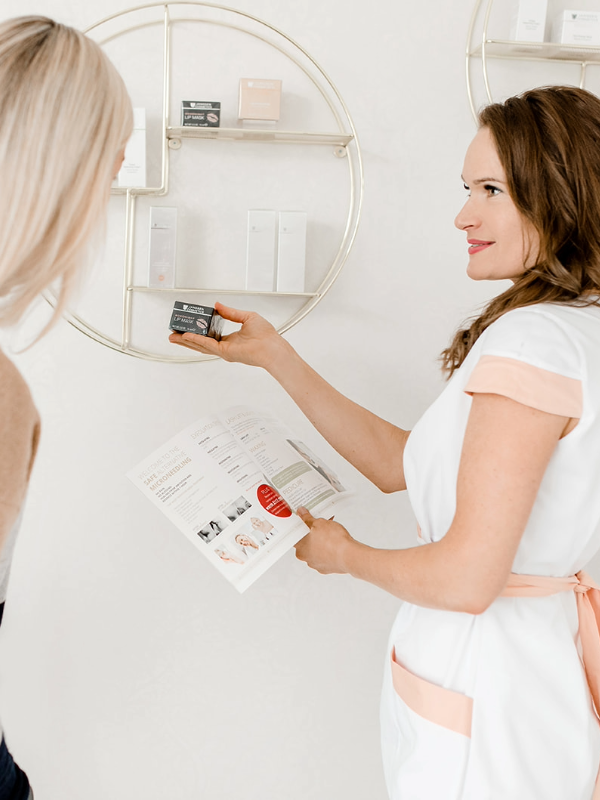
At Skinportant Clinic in Southsea, we recommend Janssen Cosmetics’ professional-grade products for nourishing and protecting your skin throughout the autumn season. Here’s how you can incorporate these products into your morning and evening skincare routine to keep your skin looking its best.
Morning Routine
- Cleanser: Mild Creamy Cleanser
- Benefit: A gentle, hydrating cleanser that removes impurities without stripping the skin.
- How to Use: Apply to damp skin, gently massage, and rinse with lukewarm water. This cleanser will leave your skin feeling clean and refreshed without over-drying it.
- Serum: Hyaluron Fluid
- Benefit: Delivers intense hydration with hyaluronic acid, helping to plump and hydrate your skin throughout the day.
- How to Use: After cleansing, apply a few drops of the serum to your face and neck, pressing it gently into the skin for maximum absorption.
- Moisturiser: Rich Energy Cream
- Benefit: A rich, nourishing cream that locks in moisture and strengthens the skin’s barrier. Ideal for autumn’s cooler, drier air.
- How to Use: Apply a small amount to your face and neck after your serum, focusing on areas that feel particularly dry.
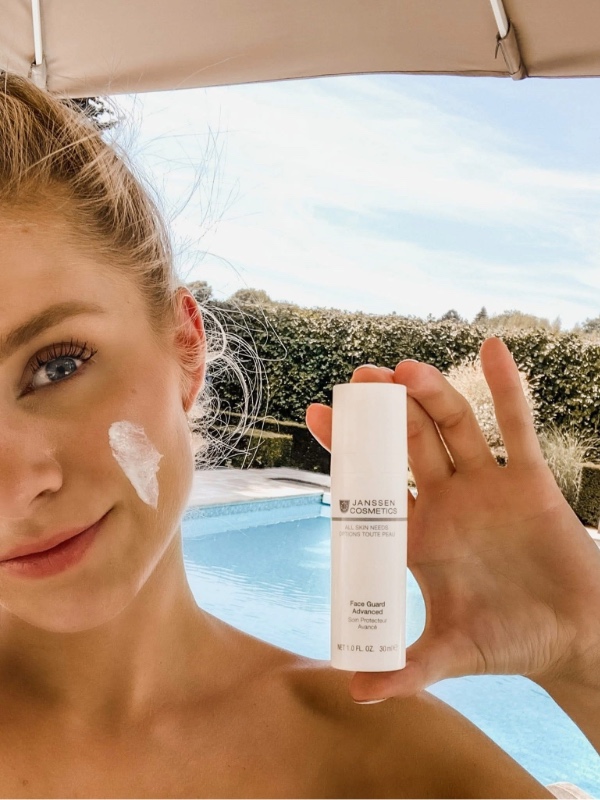
- Sunscreen: Face Guard Advanced SPF 30
- Benefit: Provides essential sun protection without feeling heavy or greasy. It also contains antioxidants to defend against environmental stressors.
- How to Use: Apply evenly across your face and neck as the final step in your morning routine. Make sure to reapply if spending extended time outdoors.
Evening Routine
- Cleanser: Mild Creamy Cleanser
- Benefit: A gentle cleanse at night removes makeup, dirt, and excess oil while keeping the skin hydrated.
- How to Use: Use this cleanser as part of your evening routine to ensure all traces of dirt and makeup are removed, leaving your skin soft and clean before applying other products.
- Exfoliant: AHA Face Cream
- Benefit: Exfoliates gently using alpha-hydroxy acids to remove dead skin cells, leaving the skin smooth and glowing without irritation.
- How to Use: Apply 2-3 times a week after cleansing, avoiding the eye area. Follow with a moisturiser to lock in hydration.
- Serum: Hyaluron Fluid
- Benefit: Provides a hydration boost overnight, helping your skin repair and restore moisture as you sleep.
- How to Use: After cleansing, apply a few drops to your face and neck, pressing it into the skin for deep hydration.
- Eye Cream: Rich Eye Contour Cream
- Benefit: Targets fine lines, puffiness, and dryness around the delicate eye area.
- How to Use: Gently pat a small amount around the eye area with your ring finger to ensure even absorption without tugging the skin.
- Moisturiser: Rich Energy Cream or Anti-Pollution Cream
- Benefit: Rich Energy Cream provides deep hydration and nourishment overnight, while Anti-Pollution Cream protects against environmental damage. Both help to keep your skin healthy and plump.
- How to Use: Apply generously as the final step in your nighttime routine, focusing on any dry or irritated areas.
At Skinportant Clinic in Southsea, we’re here to help you achieve glowing, healthy skin all autumn long. Using the right products and making adjustments to suit the season will ensure your skin stays nourished, hydrated, and protected.