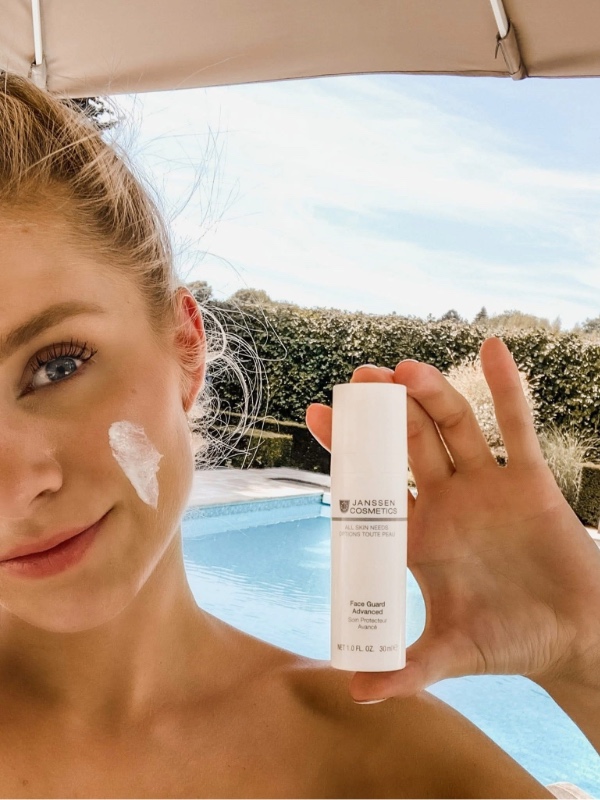
Is your skincare routine actually working—or just sitting on the surface? Many of the products we see in supermarkets and department stores promise glowing, youthful skin. But are they really powerful enough to deliver results? In this blog, I’ll share what truly sets professional skincare (like Janssen Cosmetics) apart from retail brands (like Nivea), and why the right choice can completely change your skin journey.
Medical-grade vs OTC Skincare – Key Differences
Ingredient Concentration
Targeted vs General Formulations
Advanced Delivery Systems
Expert Guidance & Safety
Price vs Value
Final Thoughts: Investing in Your Skin
Written By: Adrienne Nemeth
September 18, 2025
Medical-grade vs over the counter skin care: What’s the difference?
As a professional aesthetician with over 20 years of experience, I’m often asked:
“What’s the difference between medical-grade skincare brands like Janssen Cosmetics and retail skincare brands such as Olay or No 7?”
At first glance, they may look similar. Both promise healthy, radiant skin. But when it comes to ingredients, results, and long-term skin health, the difference between professional and retail skincare is significant.
1. Ingredient concentration
Professional skincare products (like Janssen Cosmetics) contain higher levels of active ingredients—such as hyaluronic acid, peptides, retinol, and antioxidants. These actives are clinically formulated to penetrate deeper into the skin and create real, visible change.
Retail skincare brands (such as Olay skincare) must be safe for mass use, so the actives are present in lower concentrations. This makes them gentler but often less effective for correcting specific skin concerns.
2. Targeted vs general formulations
Professional skincare lines are treatment-driven. They are designed to address specific issues such as acne, pigmentation, dehydration, or ageing. They also complement in-clinic treatments for faster, longer-lasting results.
Retail products are more generalised, focusing on broad categories like “dry skin” or “sensitive skin.” While they can maintain hydration and comfort, they are not usually targeted enough to treat complex skin conditions.
3. Advanced delivery systems
Professional products use advanced delivery systems to ensure ingredients reach the layers of skin where they can have the most impact. This includes encapsulation, time-release technology, and pH-balanced systems.
Retail skincare tends to prioritise texture, fragrance, and packaging appeal. While enjoyable to use, these products may not always deliver actives effectively into the skin.
4. Expert guidance & safety
One of the greatest benefits of professional skincare is the guidance of a trained skin specialist. As an aesthetician, I assess your skin and recommend exactly what you need, ensuring safe use of potent products.
Retail skincare is designed to be used without professional advice. This makes it safe for general use, but it also limits the strength and effectiveness of the products.
5. Price vs value
Professional skincare often comes with a higher price tag—but this reflects:
Premium ingredient quality
Smaller, fresher production batches
Clinical research behind formulations
Personalised recommendations from professionals
Retail skincare is more affordable and widely accessible, but the lower cost often means less impact on long-term skin health.
Final thoughts: Investing in your skin
Both professional and retail skincare products have their place. Retail skincare is perfect for basic maintenance, while professional skincare offers transformative results when guided by an expert.
If your goal is to maintain comfort and hydration, retail brands can work well. But if you want to target specific issues and see long-lasting improvements, investing in professional skincare like Janssen Cosmetics is the way forward.
At Skinportant Clinic in Southsea, I help clients choose the best skincare products for their unique needs. If you’re ready to upgrade your routine with professional, results-driven skincare, book a FREE skin consultation today.
Share this article:
What can you do?
READ MORE
5 Questions to Ask Before You Buy Another Product
Beautiful packaging and confident marketing claims don't tell you whether a product will actually change anything about your skin. Most people are buying based on how a product looks, smells or is marketed — not on whether it does what it says. Here are five questions that separate a product worth your money from one that's just well packaged, and why professional advice matters more than the price on the label.
Sleep deprivation doesn't just leave dark circles and a tired-looking face. Research shows it measurably weakens the skin barrier, slows overnight repair, and disrupts the exact hormones responsible for keeping skin firm and clear — often after just one bad night. We saw the full effect of this in a client whose worsening skin had nothing to do with the products she was using, and everything to do with what was happening in her bed at 2am. Here's the research behind why sleep matters as much as anything on your bathroom shelf.
Holiday Skin: What to Do Before, During, and After Your Trip
Every summer, people spend more time choosing a swimsuit than thinking about their skin — and sunscreen packaging is happy to let them believe "water-resistant" means waterproof and once is enough. It isn't, and it's not. Most people apply less than half the sunscreen they need, reapply half as often as they should, and land back home two weeks later with pigmentation that has nothing to do with how much fun they had and everything to do with a bottle applied wrong. The fix isn't a higher SPF number, and it isn't another product either. It's applying enough, reapplying on a schedule instead of a feeling, and knowing when what's left behind after summer needs someone who actually knows your skin — not another six months of hoping it fades.
How Social Media Is Destroying Your Skin (And Making You Pay For It)
Social media has turned skincare into one of the most manipulative industries on the internet. Influencers — most of whom have zero professional training — are paid to make you feel like your skin is a problem, then sell you the solution. Brands like COSRX and Laneige have spent billions engineering viral moments that feel organic but are carefully orchestrated marketing. The result? People are panic-buying products that damage their skin barrier, comparing themselves to filtered and AI-generated faces, and developing real anxiety around normal, healthy skin. The fix isn't another serum. It's getting off the feed and talking to someone who actually knows your skin.